
Honduras · 2020-2022 · suspended
The Santa Cruz project
Santa Cruz sits in the department of El Paraíso, Honduras. With the community we set three goals: end extreme poverty in Santa Cruz, bring the poverty rate down to 10 percent, and create direct local employment. For Better Community would walk alongside the community for five years, with specialists and technicians preparing residents to take full control at the end of that period.
The plan
Four tracks, one sequence
Water first
Everything started with water, so the community would stop depending on the rainy season. Reservoirs on the high ground of the site, feeding lined ponds below.
Then food, from the same water
- Tilapia raised in the ponds
- Vegetables grown vertically above them, through hydroponics
- Cattle, pigs and poultry on dedicated ground
- Beekeeping, chosen so the wooded part of the land would be preserved
- An agro-industrial cooperative to hold it all, owned by the community
Education, at every level
- Materials for preschool children, so they enter the system at all
- Teaching materials for primary school
- A trade school, and secondary students trained to administer the cooperative
- Support to the Álvaro Contreras school so it could restore its growing areas and feed its own students
Women, money and health
- Support for women and young mothers as a central axis, not an afterthought
- Personal finance training, so families could manage and invest what they earned
- A rural savings and credit union, Acción para Producir, as the community's own financial institution
- Preventive health care
Due diligence
What the engineering said
In February 2022 the site was assessed on the ground by an irrigation and design engineer, to test whether the land under negotiation could actually carry an integrated farm. The conclusion was that the agronomic and climatic conditions suited every activity planned.
The report also found the weak point, and it was the one that mattered: water. The spring the project intended to rely on yielded about one litre per minute. Storing it through the rainy season would not be enough to run irrigation, fish ponds and livestock at the same time.
The recommendation was a deep well with solar-powered pumping, sized so the farm could grow without risking the loss of a crop or a stock. Around it, a costed layout: a lined reservoir, eight fish ponds of thirty-one square metres each with recirculation, poultry housing for broilers and for laying hens, and pasture allowance per head of cattle.
We are publishing this because it is the part most organizations leave out. The plan was checked by someone whose job was to say no, and it changed the design before a dollar was spent.
Principle
Work in return
Every time residents received support, they gave a piece of work back to the community. Not as a condition imposed from outside, but so that what arrived was never a handout. It was earned, and it belonged to the people who earned it.
That principle is the reason the plan reads the way it does. A cooperative rather than a distribution. A trade school rather than a scholarship. Ponds the community maintains rather than water trucked in.
On the ground
Santa Cruz, 2021
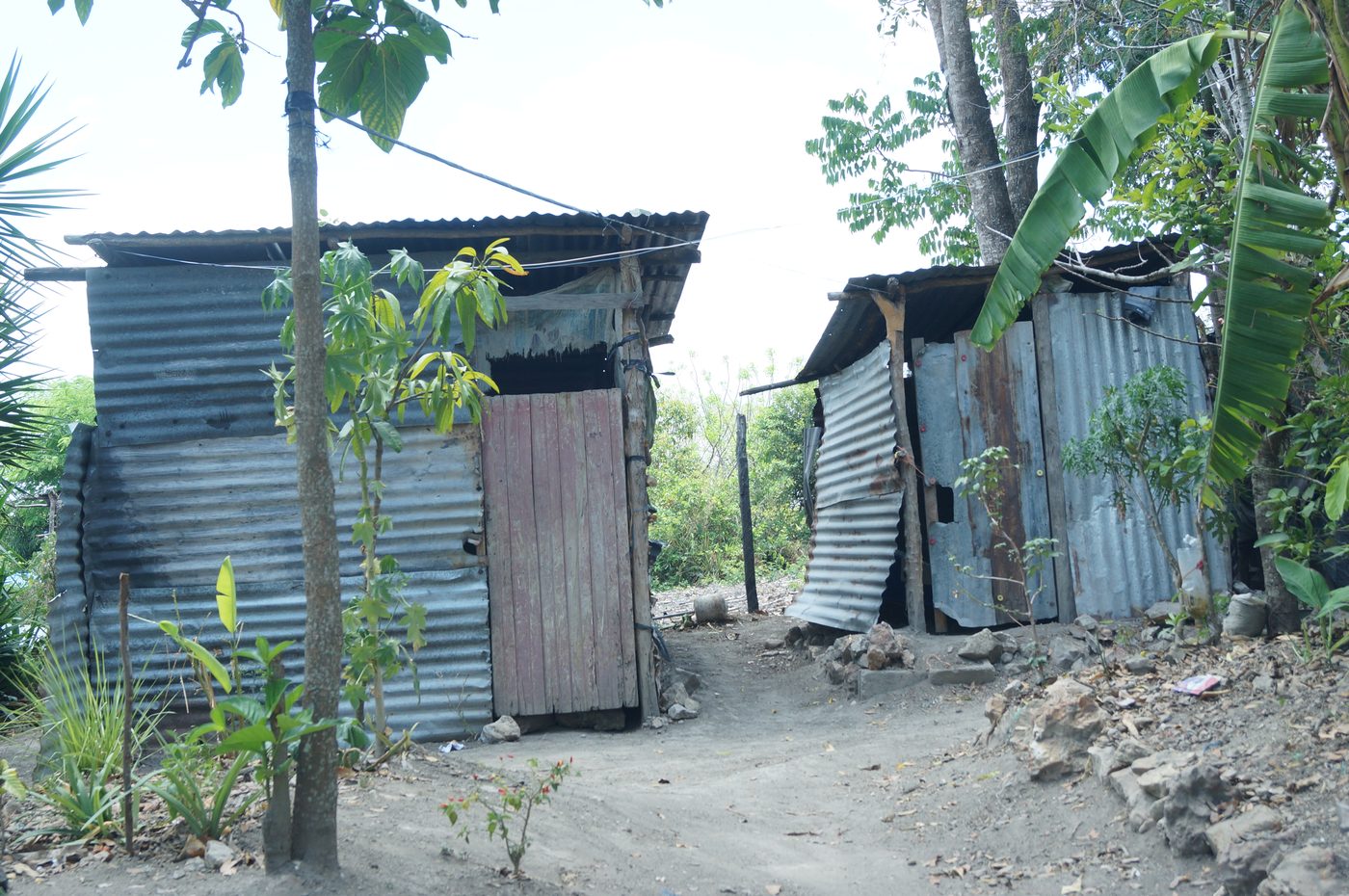
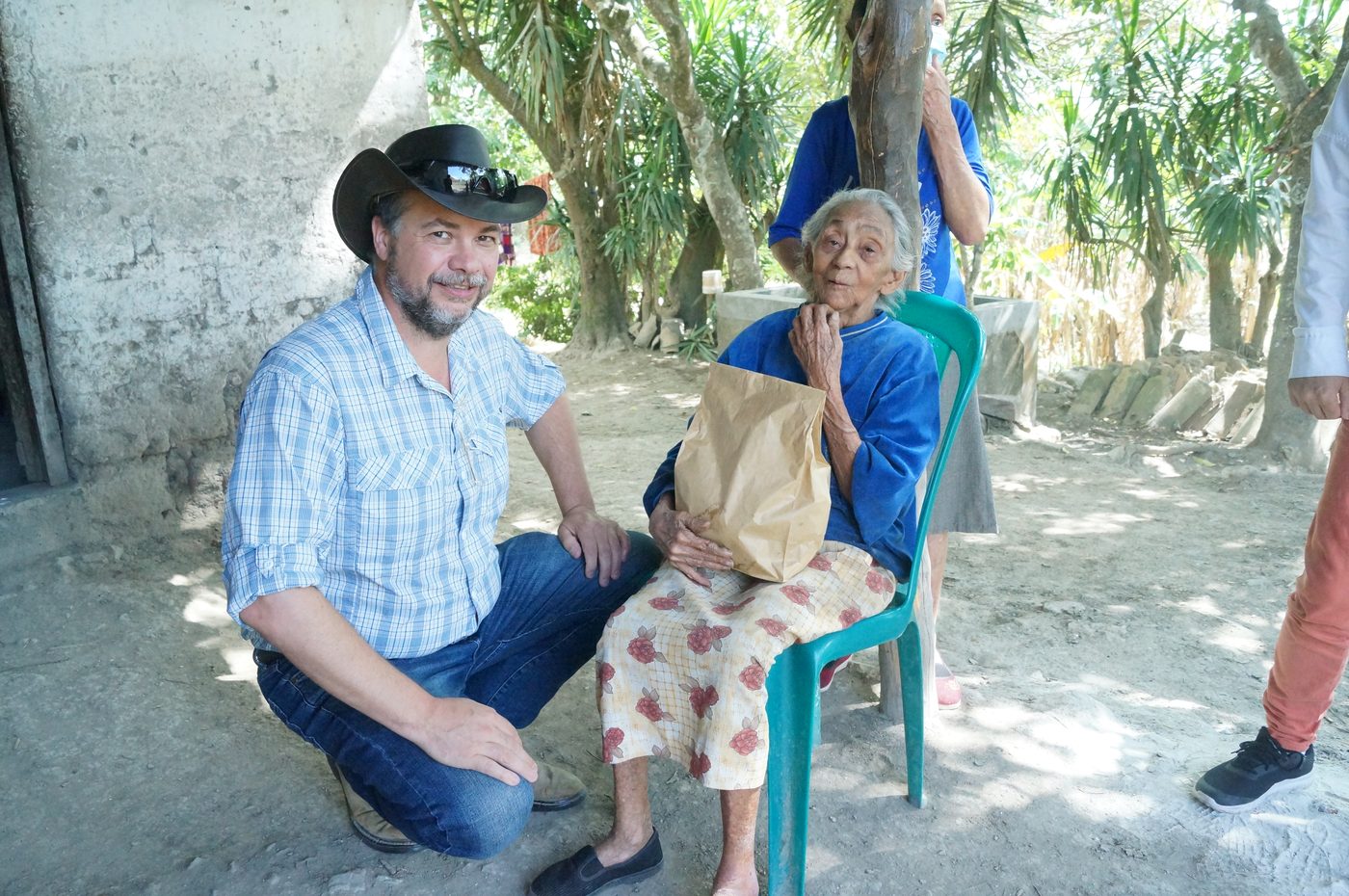
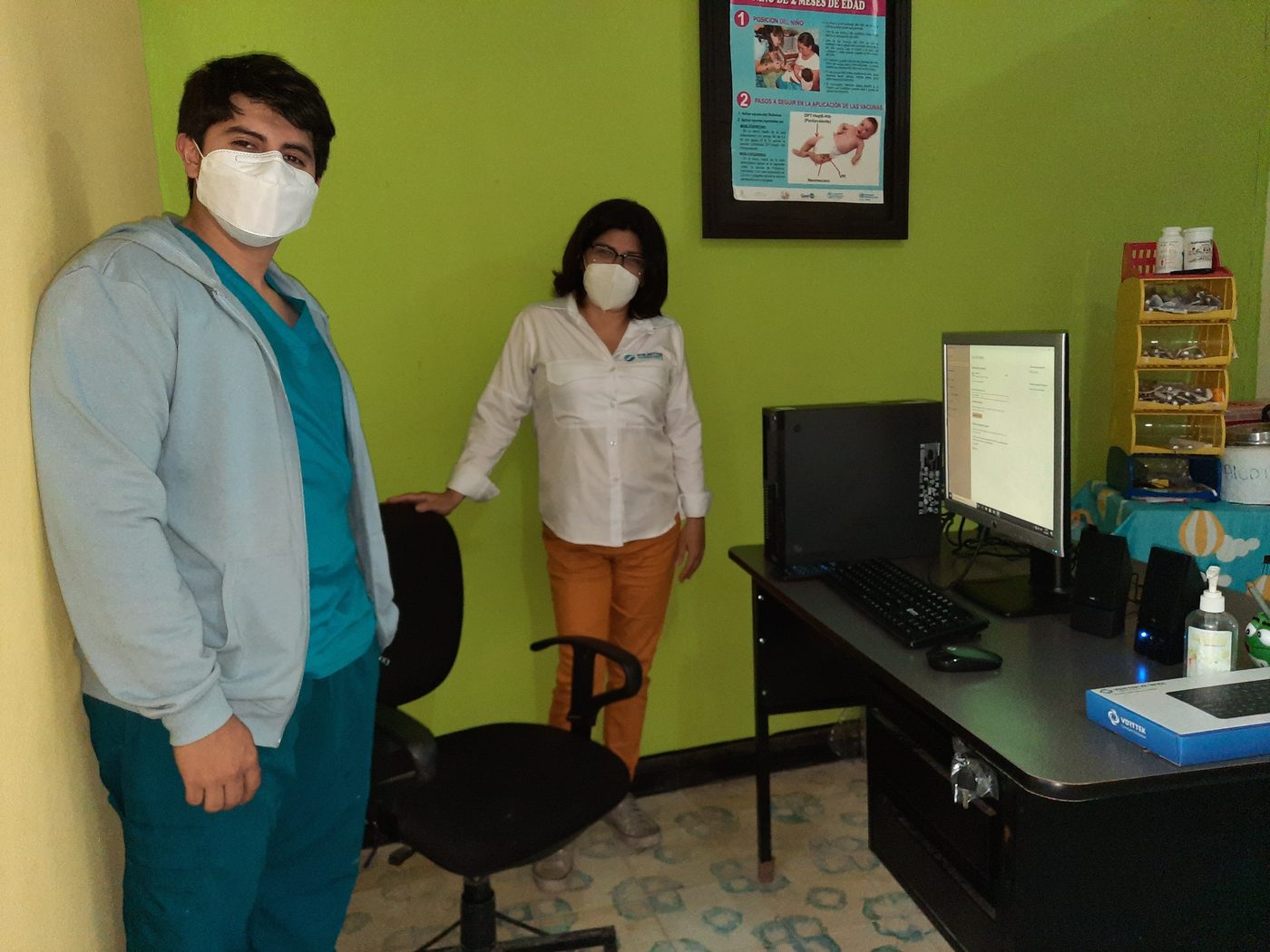
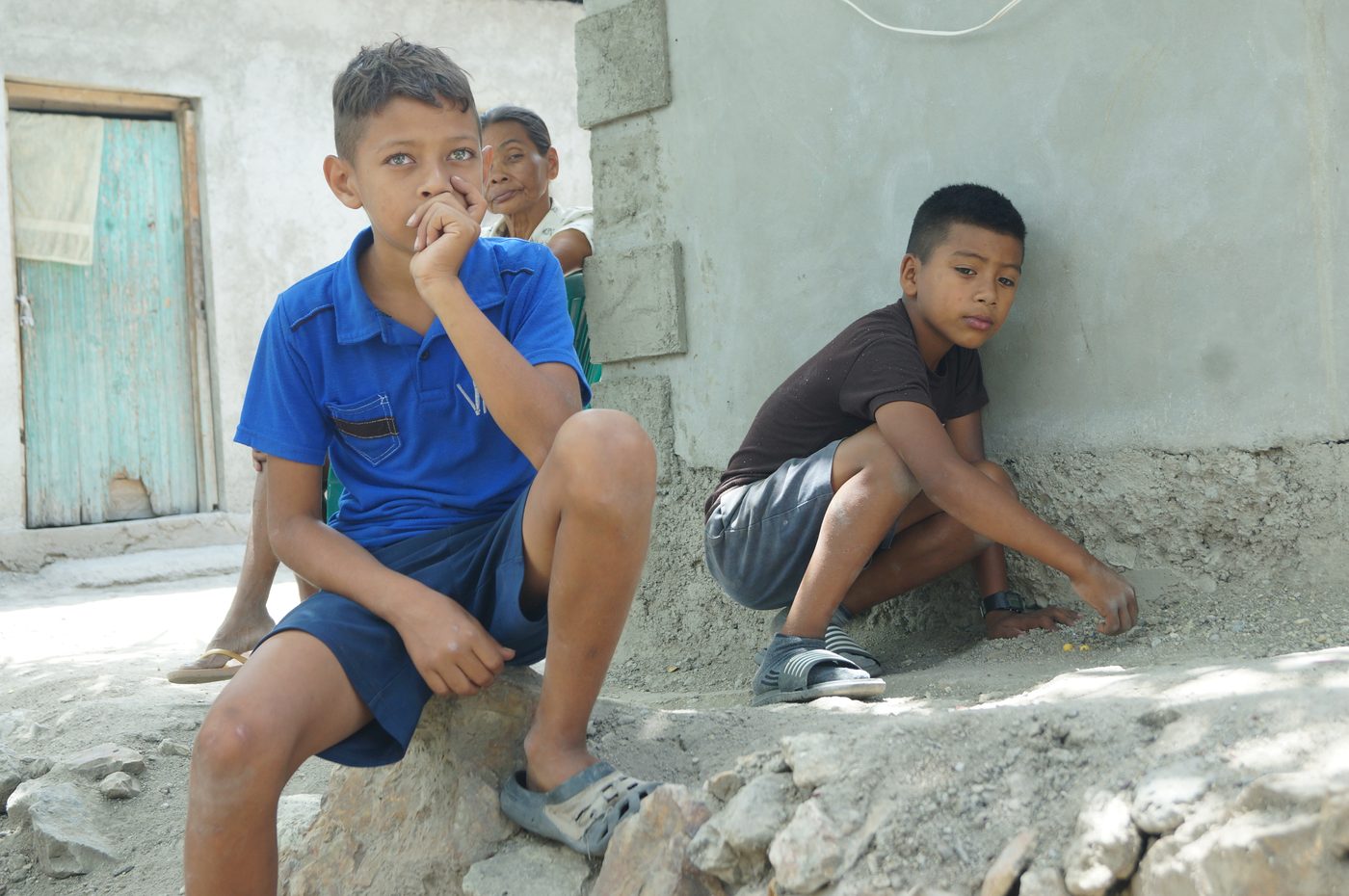
Status
Where the project stands
The program is suspended. Following a change of national administration in Honduras, the institutional conditions and approvals this kind of work depends on are no longer in place. We took the decision to pause rather than continue a program we could not deliver to the standard the community was promised.
Nothing was abandoned. We hold the plan, the engineering studies, the site assessment, the relationships and the record, and we will resume if conditions allow.
2019 · completed
Deep-water reef research
Volunteer technical divers assisted a university research team by recovering deep-water coral reef samples from a wreck, to help document how those reefs function. Reefs sit at the base of a food chain that coastal families depend on for both food and income, which is why a marine research dive belongs in the work of an organization focused on self-sufficiency.
Guatemala · 2020
NGO law analysis
We published an analysis of changes to the law governing nongovernmental organizations in Guatemala, what those changes required of organizations working there, and what they would mean for the communities those organizations serve. It is archived in ourfield notes.